Crane NDT in the Philippines: Why Non-Destructive Testing is Critical for Safety and Compliance
- Che Sison
- Nov 21, 2025
- 2 min read

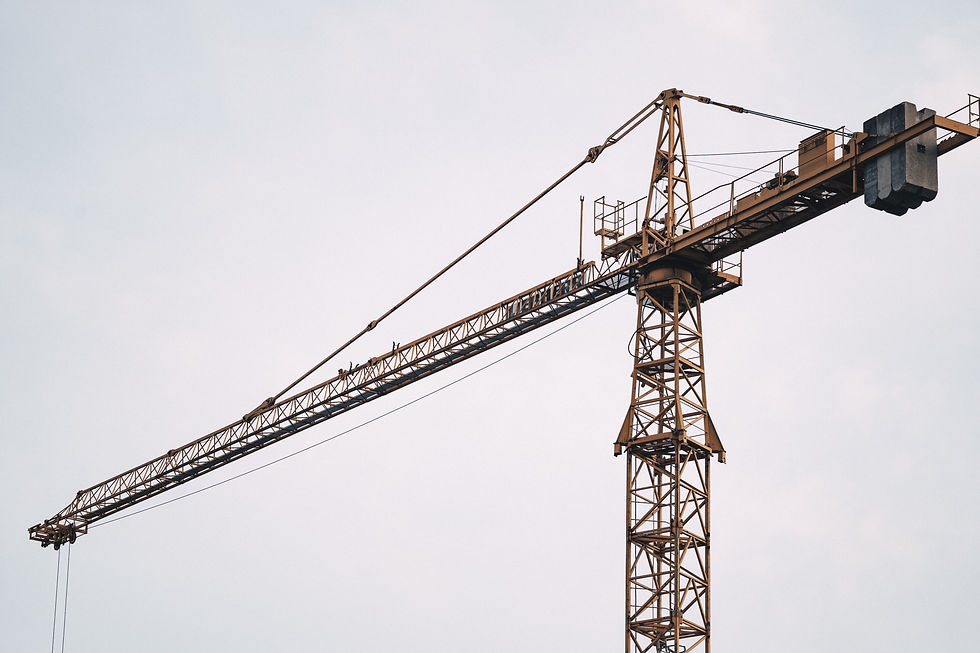
Cranes play a vital role in construction, mining, shipping, and industrial operations across the Philippines. But with constant heavy loads and demanding environments, even the strongest crane components can weaken over time.
That’s where Non-Destructive Testing (NDT) comes in. By detecting hidden cracks, wear, or fatigue before failure occurs, Crane NDT helps companies protect workers, avoid costly accidents, and comply with safety regulations.
What is Crane NDT?
Non-Destructive Testing is a specialized method of inspecting cranes without causing damage to their components. Using advanced techniques, NDT evaluates the condition of critical crane parts such as:
Boom and structural welds
Wire ropes
Hooks and lifting components
Pins, shafts, and load-bearing joints
Unlike visual inspections alone, NDT uncovers hidden issues that could compromise crane performance and safety.
Why Crane NDT is Critical in the Philippines
Compliance with Regulations
The Department of Labor and Employment (DOLE) and Occupational Safety and Health Center (OSHC) require crane owners to conduct periodic inspections. NDT is a recognized standard for proving compliance and ensuring safe operations.
Preventing Accidents
Many crane accidents are caused by undetected fatigue cracks, metal wear, or rope failures. NDT identifies these risks early — reducing chances of catastrophic breakdowns.
Protecting Workers and Assets
By addressing issues before they escalate, NDT safeguards both operators and valuable equipment. This reduces downtime, liability, and insurance costs.
Extending Crane Lifespan
Routine NDT inspections help companies plan repairs and replacements more efficiently, extending the working life of cranes and lowering total operating costs.
Common Crane NDT Methods
Magnetic Particle Testing (MT): Detects surface cracks in ferromagnetic materials such as hooks and shafts.
Ultrasonic Testing (UT): Uses sound waves to detect internal flaws in crane booms and structural welds.
Radiographic Testing (RT): Uses X-rays or gamma rays to inspect internal structures for hidden cracks.
Visual and Dye Penetrant Testing (VT/PT): Identifies surface-level cracks and defects in welds and load-bearing components.
Wire Rope Inspection Systems: Specialized sensors detect broken wires, corrosion, and wear in critical lifting ropes.
Comments